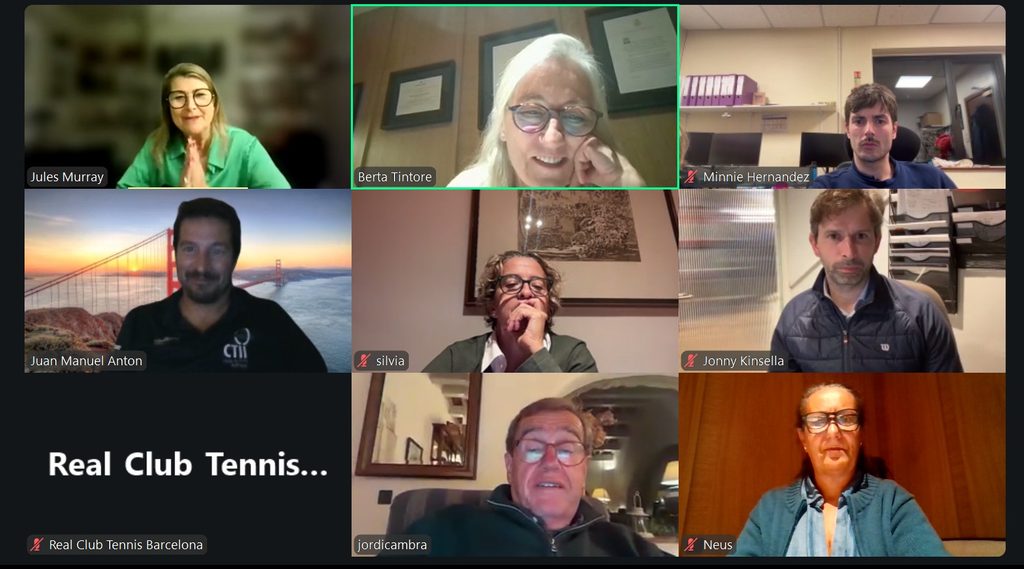
The colloquium with Jules Murray, which was provided by our Preferred Educational Partner, the Club Management Association of Europe (CMAE), focused on managing conflict and complaints within a club environment.
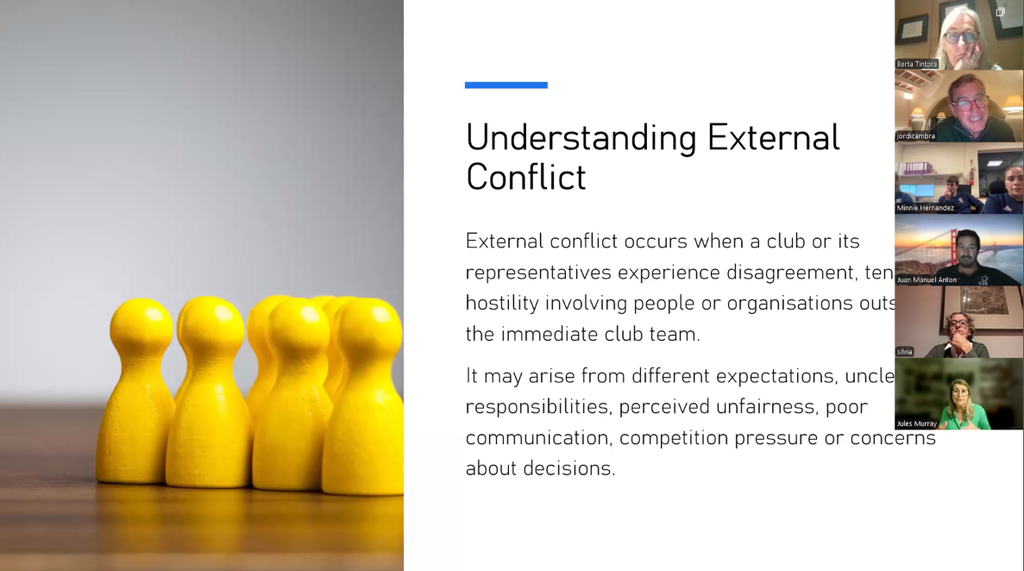
The session outlined strategic guidelines and protocols to help club managers and staff effectively manage conflict and complaints within a club environment, and improve communication with members. During the session, led by speaker Jules Murray, participants shared real-life examples of conflict, including issues relating to parking fines, media credential requests and member expectations.
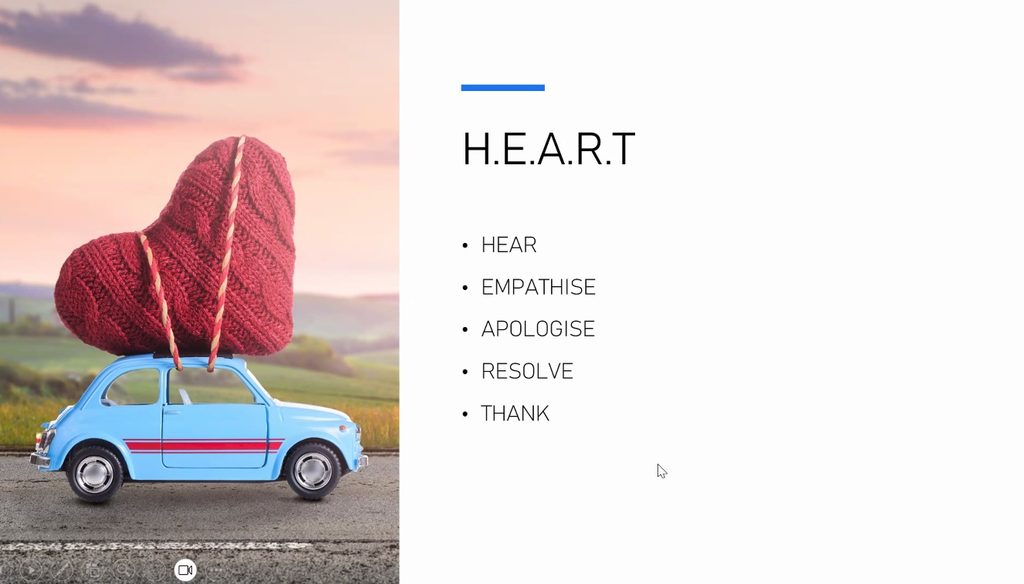
Jules introduced structured models, such as the ‘H.E.A.R.T.’ framework and a six-step de-escalation process, to transform challenging situations into opportunities for improvement. She emphasised the importance of empathy, active listening and treating complaints as ‘gifts’. This involves shifting their mindset so that they view complaints as valuable feedback that highlights internal issues requiring attention.
Core Frameworks & Action Items
- ‘H.E.A.R.T.’ Conflict Resolution Model: Staff must apply this five-step approach when handling complaints: Hear, Empathize, Apologize, Resolve, and Thank.
- Six-Step De-escalation Structure: For managing active conflicts, staff must follow a specific sequence: Ensure Safety, Regulate the environment, Listen to perspectives, Clarify facts, Agree on next steps, and Record/Debrief the incident.
- Online Reputation Management: Negative reviews on Google and social media must be answered with empathy and a professional tone, always inviting the customer to contact the club directly to resolve the issue.
- Proactive Communication: The club aims to prevent complaints by improving how updates (such as deli hours or parking rules) are shared across multiple channels, including the website, email, social media, and reception.
- Continuous Improvement: Managers must conduct debrief meetings after major events or recurring issues to identify root causes and implement preventative measures.
The session concluded with a brief discussion among the participants about the value of the training and the challenge of applying these tools in high-pressure situations.